


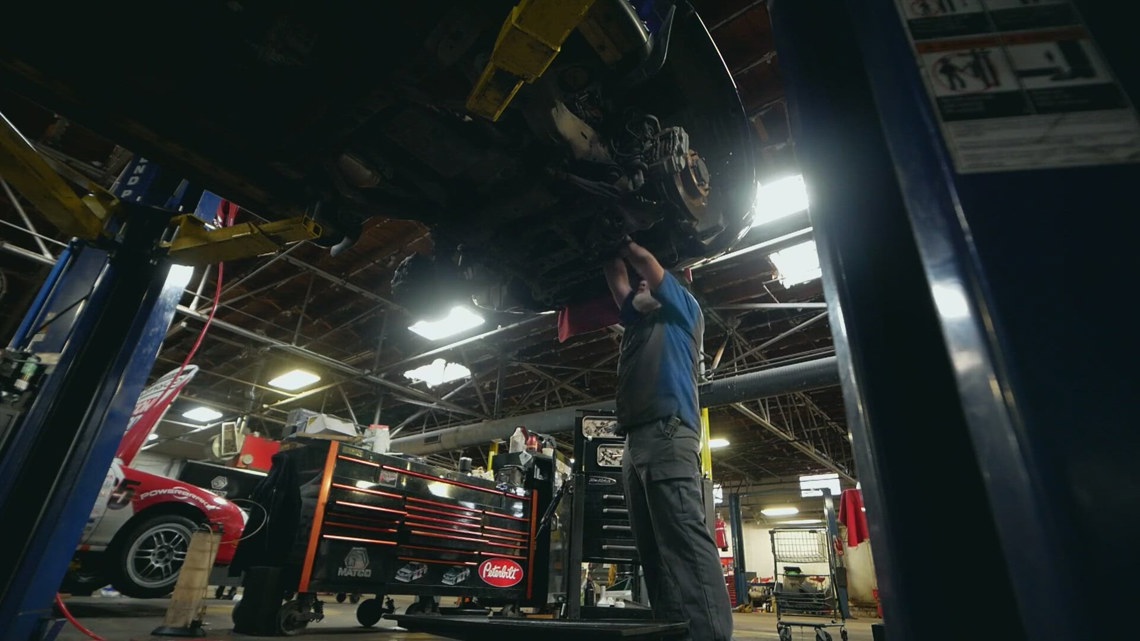
As temperatures drop, the cold weather isn’t just hard on us, it’s hard on our cars too.
CHARLOTTE, N.C. — It’s that time of year when our cars need a little more care.
We’re lucky if the car starts – but things can start leaking, breaking, and deflating.
Kevin Davis, the service manager at CMD Automotive, said a dip into below-freezing weather can reveal a lot of problems under the hood.
“Cars in general just don’t like cold temperatures,” Davis said. “Anytime temperatures drop really low like that, water pumps, radiators, radiator hoses, things of that nature, are going to leak and break.”
He explained the cold weather can make parts of your car prone to damage.
“Anything that can potentially be more fragile when it’s cold outside or more brittle when it’s cold outside is definitely going to be that way in colder temperatures,” Davis said.
RELATED: Yes, warming up your car before driving in cold weather can damage the engine over time
Charlotte has already seen its share of 20-degree temperatures.
“If I wake up in the morning and look at the temperature gauge, I can tell you right away how the day is going to go,” James Gorman, one of the owners of CMD Automotive, said.
He said there are things drivers can check before that “Check Engine” light pops on.
“Make sure you take your radiator cap off and that it’s filled with a proper level with proper coolant,” Gorman said. “Look at the belt, make sure it’s not cracked. Batteries, especially in colder weather, you want to make sure that there’s no fuzz around the battery, that the terminals are nice and clean.”
And that pesky low tire pressure light doesn’t go away on its own.


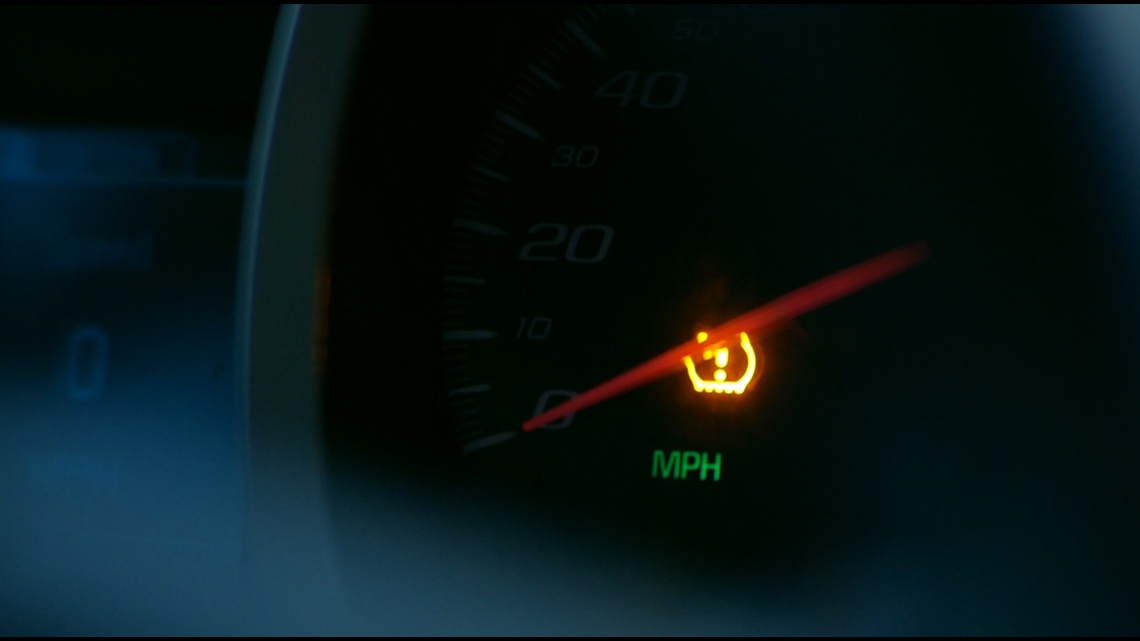
“If it goes from 60 to 40 [degrees] overnight, you’ll lose a few pounds, but if it goes from 40 down to 20 [degrees], those tire pressure lights will come on,” Gorman said.
He said tires naturally lose pressure in cold weather, so it’s important to check them regularly.
“You can adjust your tire pressure in the cold weather and then just readjust it in the spring, you know, as the weather warms back up,” Gorman said.
Davis said when it’s cold out, you can always bring your car in.
“We have customers all the time that do that,” he said. “They’ll bring vehicles in and say, ‘Hey, we’re going to go on a road trip. Can you check it over for us?’ And that’s exactly what you need to do.”
A preemptive check can ensure your car is ready for the challenges of winter driving.
It can save you time, money, and your life.
“Just use good common sense,” Davis said. “If it’s something that doesn’t feel right or doesn’t look normal or doesn’t sound normal, get in it and get it checked before you’re on the side of the road and it’s 20 degrees outside.”
link